Build Your AI Literacy, Strategic Thinking & Teaching Capacity with Hands-On Workshops
Practical, hands-on AI workshops that teach the real tools, workflows, and reasoning strategies Connor uses to build products, solve problems, and lead AI adoption in schools.
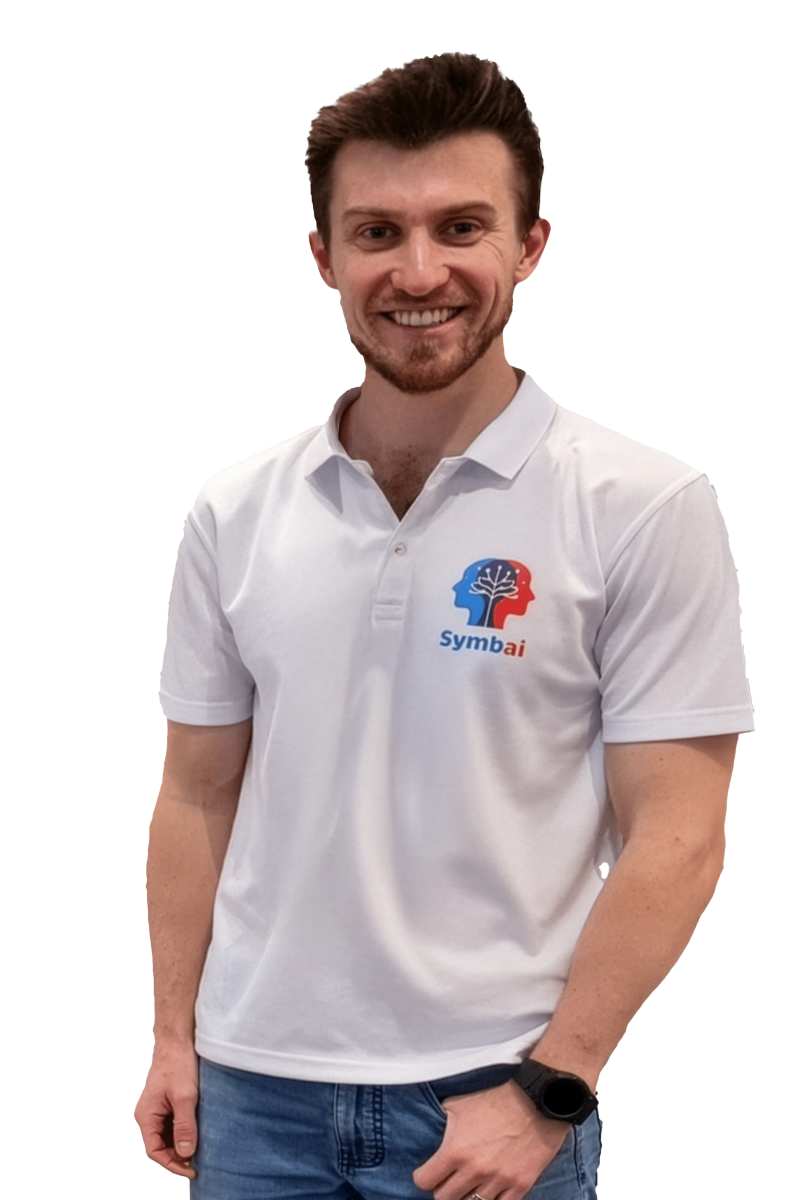
Work With Connor McFadyen — Symbai’s Founder & Critical Thinking Specialist
Connor McFadyen is an educator, coach, and AI innovator who helps schools and organisations strengthen critical thinking, AI literacy, and assessment practice.
Why Connor?
Former classroom teacher who has experienced today’s real challenges first-hand
Founder of Symbai, the AI-powered platform improving reasoning and reducing teacher workload
Specialist at the intersection of pedagogy, reasoning, and human-centred AI
Problems Connor Helps Solve:
AI plagiarism & misuse — understanding the root causes and designing practical, ethical solutions (including those built into Symbai)
Student reasoning gaps — developing structures that build clear, evidence-based thinking
Teacher workload pressure — creating AI-supported workflows that reduce admin and free time for teaching
Connor's Professional Learning Workshops
AI in Practice: Tools, Workflows & Smarter Teaching
What you'll gain:
- A clear understanding of which AI tools actually help teachers day to day
- Practical workflows that reduce planning time, not increase it
- Confidence using AI without fear of shortcuts, hallucinations, or overreliance
Why this workshop:
Connor built Symbai — a complex AI platform — using AI tools himself, without formal training in computer science or business. This session cuts through noise and hype to show educators what genuinely works, what doesn’t, and how to use AI responsibly in real teaching contexts.
Humans + AI: Building a Culture of Confidence & Curiosity
What you'll gain:
- A healthier, more constructive way to talk about AI with staff and students
- Practical strategies to shift from AI anxiety to informed experimentation
- Tools to help teams identify strengths and grow capability together

Why this workshop:
Rather than fuelling “AI doom culture,” Connor shows how AI can amplify human strengths when used intentionally. Drawing on his own journey, this session helps schools and organisations build a culture of confidence, curiosity, and growth around emerging technology.
Future-Ready Curriculum & Assessment Design
What you'll gain:
- A healthier, more constructive way to talk about AI with staff and students
- Practical strategies to shift from AI anxiety to informed experimentation
- Tools to help teams identify strengths and grow capability together

Why this workshop:
Rather than fuelling “AI doom culture,” Connor shows how AI can amplify human strengths when used intentionally. Drawing on his own journey, this session helps schools and organisations build a culture of confidence, curiosity, and growth around emerging technology.
Teaching Clear Thinking: Argument Structure & Reasoning
What you'll gain:
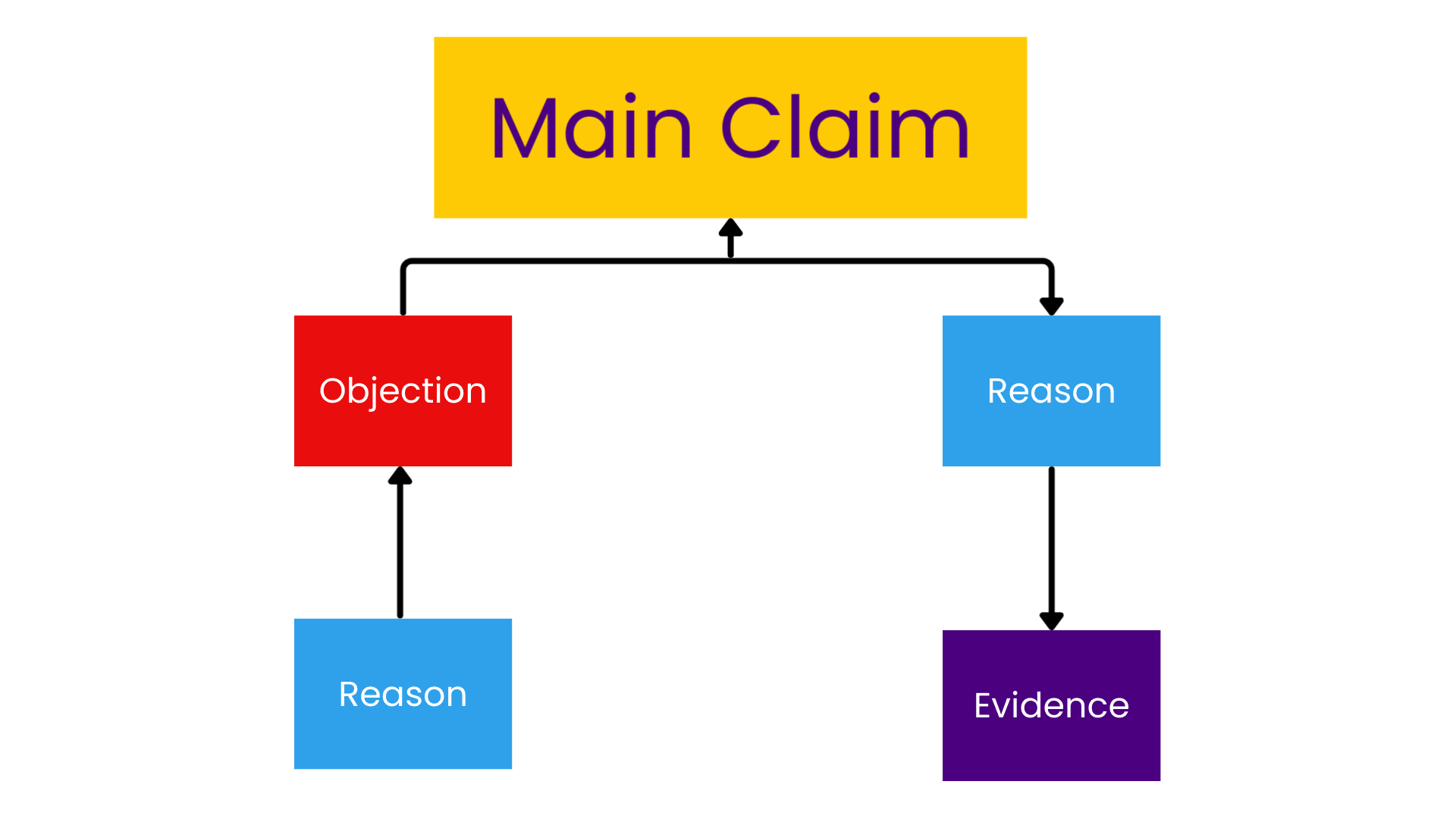
- A clear, debate-informed framework for argument structure
- Tools to help students organise ideas, clash arguments, and critique reasoning
- A missing “architecture layer” that sits above PEEL, CER, or SEXY writing models

Why this workshop:
Most teachers already teach paragraph structure — yet students still struggle to argue well. This workshop introduces the thinking structure behind strong arguments, drawn from formal debate and mooting, so students learn how ideas connect, clash, and strengthen.
Workshop Pricing
Half-Day Workshop
From $2,250 NZD
- Designed for subject teams
- Interactive, expert-led learning
- Practical tools for AI literacy & reasoning
- Clear frameworks ready for immediate use
Full-Day Workshop
From $3,800 NZD
- Whole-staff or subject teams
- Morning keynote-style session
- Deep practical workshops in the afternoon
- Practical tools for AI literacy & reasoning
- Clear frameworks ready for immediate use
Available in-person or virtually (virtual rates reduced — enquire for details).
Workshop Pricing
Half-Day Workshop
From $2,250 NZD
- Designed for subject teams
- Interactive, expert-led learning
- Practical tools for AI literacy & reasoning
- Clear frameworks ready for immediate use
Full-Day
Workshop
From $3,800 NZD
- Whole-staff or subject teams
- Morning keynote-style session
- Deep practical workshops in the afternoon
- Practical tools for AI literacy & reasoning
- Clear frameworks ready for immediate use
Available in-person or virtually (virtual rates reduced — enquire for details).
Build AI Confidence & Clearer Thinking in Your School
Whether you’re just starting the conversation or ready to lock something in, I’ll help you find the right format for your staff or students — practical, grounded, and tailored to your context.
Start with one of the options below:
Share a few details and I’ll recommend the most effective workshop format for your school or organisation.
View available dates and place a provisional booking.
Call me on +6421816544 for a quick, no-pressure conversation.
Looking for something other than a workshop?
Connor also offers AI consulting, curriculum support, and keynote talks for schools and organisations.
Ready to Build AI Confidence & Clearer Thinking in Your School?
Whether you’re just starting the conversation or ready to lock something in, I’ll help you find the right format for your staff or students — practical, grounded, and tailored to your context.
Start with one of the options below:
Share a few details and I’ll recommend the most effective workshop format for your school or organisation.
View available dates and place a provisional booking.
Call me on +6421816544 for a quick, no-pressure conversation.
Looking for something other than a workshop?
Connor also offers AI consulting, curriculum support, and keynote talks for schools and organisations.