Move Beyond AI Theory—Teach It Through Real Design Decisions
Free for teacher training programmes, Symbai is an AI-powered debate platform that enables teaching colleges to teach and assess AI task design—while trainees configure, test, and justify how AI shapes student thinking.
Move Beyond AI Theory—Teach It Through Real Design Decisions
Free for teacher training programmes, Symbai is an AI-powered debate platform that enables teaching colleges to teach and assess AI task design—while trainees configure, test, and justify how AI shapes student thinking.
Move Beyond AI Theory—Teach It Through Real Design Decisions
Free for teacher training programmes, Symbai is an AI-powered debate platform that enables teaching colleges to teach and assess AI task design—while trainees configure, test, and justify how AI shapes student thinking.
Why Symbai Is the Right Platform for Teaching AI Task Design
Trainee teachers are entering a profession shaped by AI—and many are excited to bring it into their future classrooms. But alongside that optimism is a growing concern: that generative AI allows students to outsource their thinking.
What’s often missed is that this problem didn’t begin with AI. For decades, critical thinking has been valued but rarely taught with the same structure, visibility, and consistency as literacy or numeracy.
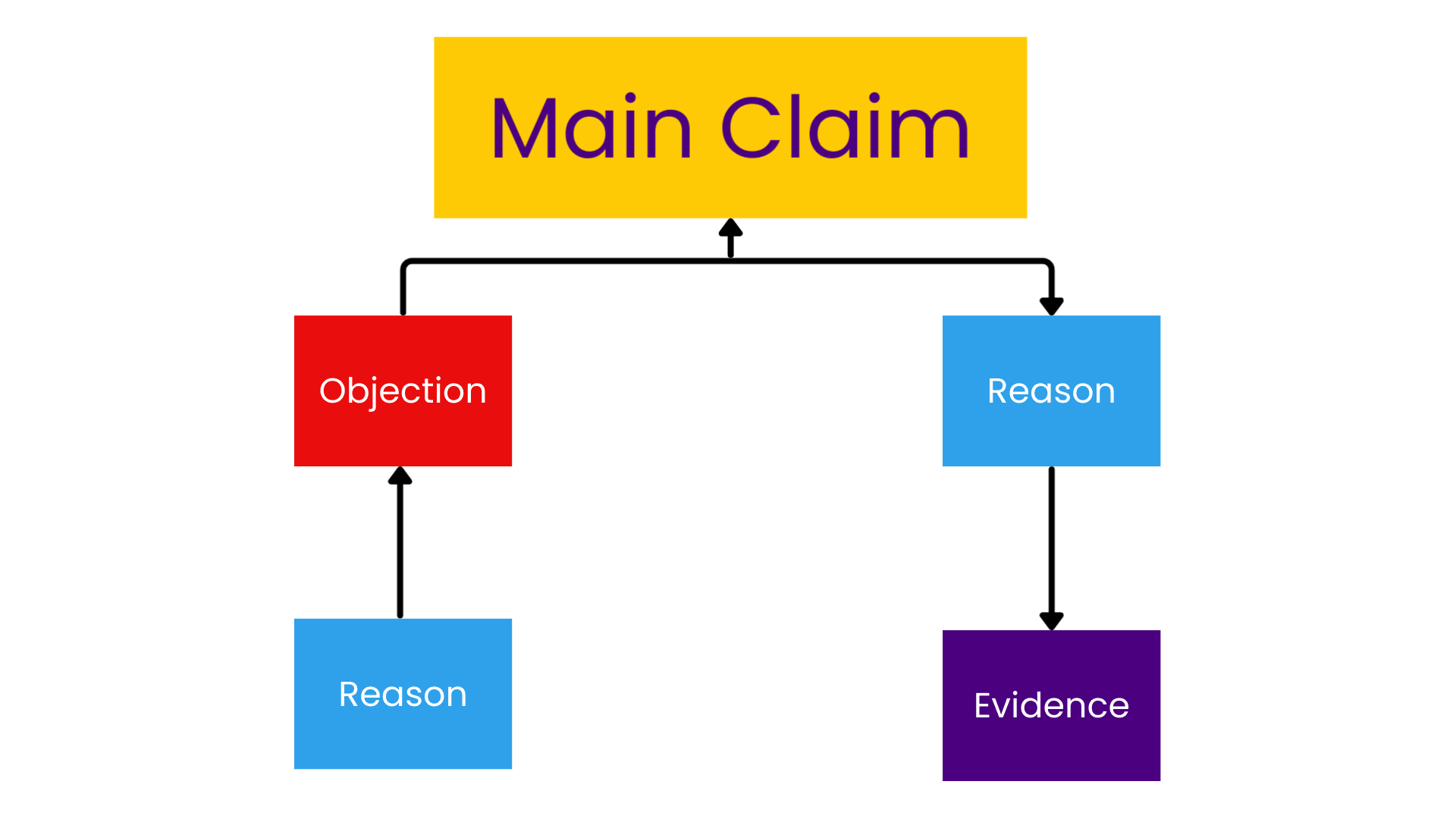
Symbai exists to change that. Built on the pedagogy of debate, Symbai is an AI-powered platform where students construct and test arguments visually—debating an AI opponent that challenges their reasoning at every step. Instead of replacing thinking, AI is used to make it explicit, trackable, and teachable.
For teacher education, this means preparing future educators not just to manage AI—but to use it to bring critical thinking to where it always should have been.
Teach and Assess AI Task Design—With Clarity and Control
Make AI Task Design Explicit
Enable teacher educators to teach AI task design as a set of concrete, visible decisions. Trainees configure precise conditions—scaffolding, difficulty, feedback visibility, AI roles, and constraints—turning task design into something specific and teachable, not abstract.
Assess AI Task Design—Not Just Outcomes
Enable teacher educators to assess how well trainees design AI-supported learning. Trainees are given learner profiles and configure appropriate AI conditions. Because these decisions are explicit and standardised, they can be compared, justified, and even partially auto-assessed.
Design AI-Resilient Assessment
Enable teacher educators to model how AI can support authentic, assessable thinking. Trainees design tasks where students build arguments step-by-step while debating an AI opponent—creating a visible record of reasoning that can be reviewed and evaluated without relying on AI detection.
What this looks like in a real lesson
Symbai is designed to fit into existing teaching—not replace it. Teachers can use it to launch a lesson, structure the middle of a discussion, or extend thinking beyond the classroom.
Debates can be run individually or in shared environments for pairs and groups, depending on the task. In practice, lessons often move between Symbai and other activities, with structured argument-building feeding directly into class discussion and essay writing.
Within Symbai, however, the thinking process itself follows a clear structure. Students build, test, and refine ideas step-by-step, creating a consistent foundation that supports the rest of the lesson.
Here’s how that structured thinking process works:
1
Set Up the Thinking Task
Create a structured debate from your curriculum. Symbai generates a clear argument framework from your topic, giving students a starting point for building and testing ideas.
2
Distribute Structured Workspaces
Every student gets their own thinking space. Each learner works within a personalised debate environment, with the right level of challenge, scaffolding, and AI support.
3
Students Think Through Debate
Every student engages—simultaneously. Students debate an AI opponent while building claims, evidence, and rebuttals. Thinking happens actively, not passively.
4
Review and Extend Thinking
Discussion and feedback become more meaningful. Student reasoning is visible and persistent, allowing teachers to guide discussion, give targeted feedback, and connect ideas to writing tasks.
What This Looks Like in a Teacher Training Course
Given a student profile, trainees configure Symbai’s AI conditions and define teacher checkpoints—designing tasks where thinking is visible, assessable, and actively verified.
What trainees design
• Configure AI conditions
• Match to learner profile
• Define intervention
• Ensure authenticity
• Produce structured task
How it is assessed
Part A: Configuration Decisions (Structured for Auto-Assessment)
• Core setup choices can be standardised and evaluated for alignment with the learner profile
Part B: Professional Judgment
• Trainees justify design decisions and define how thinking will be monitored
Part C: Evidence of Design
• Symbai provides a visible record of task structure and student reasoning
Apply to Use Symbai in Your Teacher Training Programme
Free access is available for teacher education courses planning to teach and assess AI task design in a structured way.
Apply to Use Symbai in Your Teacher Training Programme
Free access is available for teacher education courses planning to teach and assess AI task design in a structured way.