A Debate Program for Schools Ready to Use AI—Responsibly
Live, expert-led debate coaching combined with AI-supported practice, designed specifically for secondary schools and debate clubs piloting AI in a safe, structured way.
Set the Benchmark for AI Education — Start with Your Debate Club
You’re probably already dealing with AI in your school — cautiously, reactively, and often one issue at a time. Expectations are moving faster than policies, and in classrooms there are good reasons for restraint: assessment integrity matters, staff confidence varies, and parents expect reassurance, not experimentation.
Debate operates under different pressures.
Our coaches have one job: help students win the next round. They don’t use AI for its own sake — they were already elite debate coaches pushing performance long before Symbai existed. When AI sharpened thinking, improved feedback, or accelerated preparation, it stayed. When it didn’t, it was cut.
That’s what makes the Symbai Debate Club a powerful place to experience ambitious AI use: real performance standards, real scrutiny, and zero tolerance for tools that don’t actually improve outcomes — all without putting core academic results at risk.
One Program. Two Strategic Wins.
Build a Sustainable Elite Debate Program
Many school debate clubs — even highly successful ones — run on goodwill, memory, and heroic effort. Results can be excellent, but the underlying systems are often thin.
Before
Coaching lives in notebooks, emails, or one person’s head
Feedback is verbal, fleeting, and hard to reuse
Training quality varies week to week depending on who’s present
Strong results mask fragile systems
Continuity breaks when staff, students, or time pressures change
With Symbai Debate Club
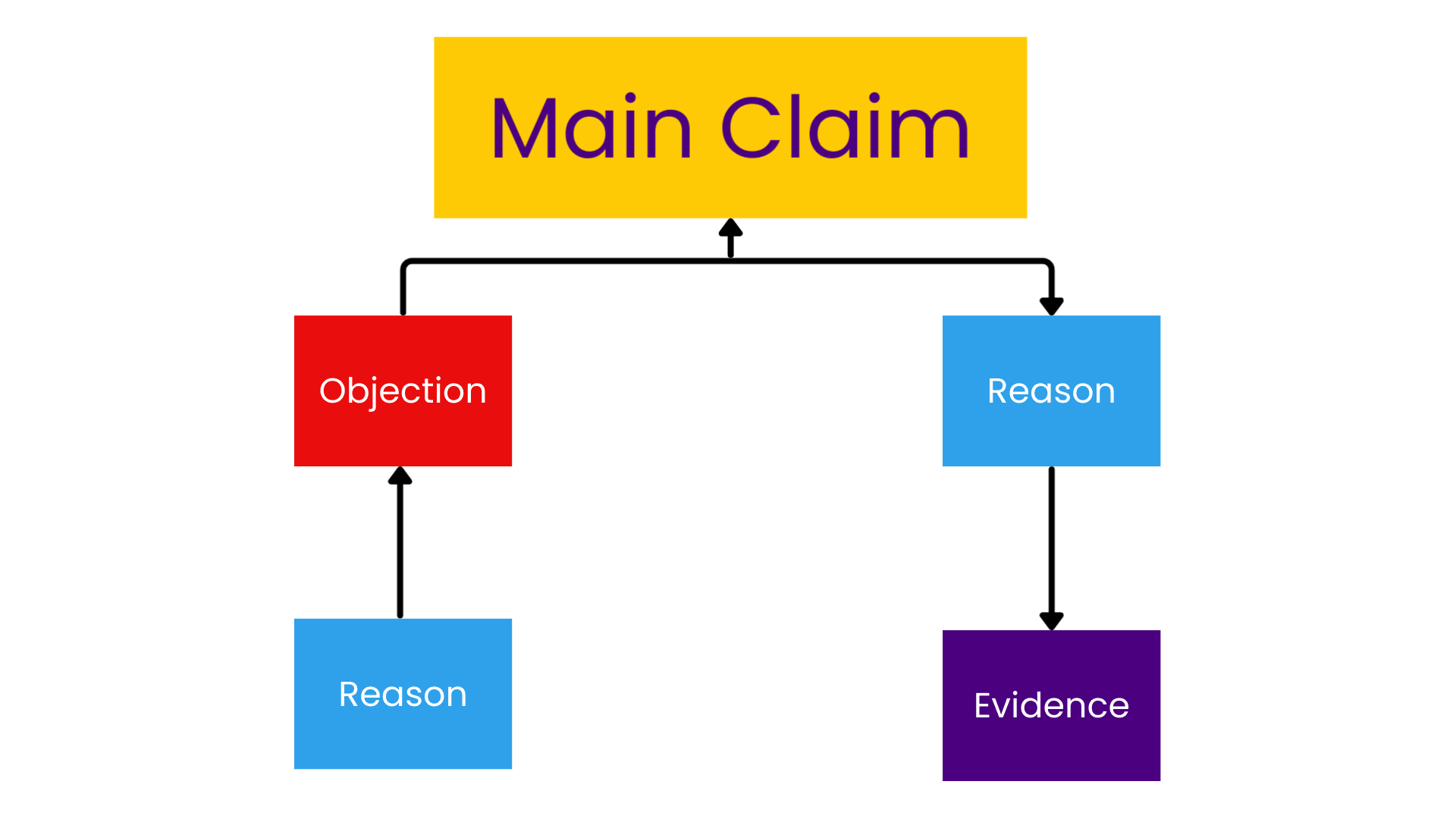
Live debates are captured inside a shared argument-mapping workspace
Arguments, rebuttals, and clash are recorded in a clear, visual structure
Feedback is precise, persistent, and directly tied to strategic decisions
Students improve between rounds, not just during them
New coaches plug into an existing system instead of starting from scratch
Performance stays high without relying on constant heroic effort
Result - An elite debate program that performs consistently, survives staff changes, and improves every week.
Use Debate to Lead Meaningful AI Adoption
Unlike most AI pilots, the Symbai Debate Club is fully formed — elite coaches deliver cutting-edge, AI-augmented coaching that already works, without asking teachers to experiment, design, or manage the system. Schools can choose their level of involvement — from simply observing and benefiting, to co-coaching and eventual handoff — easing teacher load while retaining a clear pathway to ownership if desired.
1
1. Anchor AI in Real Performance
Debate gives AI a clear job: help students win the next round by thinking better. Anything that doesn’t improve performance is discarded.
2
See What Excellent AI Use Looks Like
Symbai coaches model disciplined AI use in live debates, argument mapping, and feedback — showing students and staff what “excellent” actually looks like.
3
Transfer Knowledge School-Wide
Debate produces a concrete, lived example of ambitious AI use backed by performance data. Debate students and teachers become natural ambassadors.
Result - Your school moves from reactive AI management to visible, confident leadership.
Symbai was built by educators who have taught in classrooms and coached at the highest levels of debating — so decisions about AI use are grounded in real school constraints, not theory.
Our founders have coached debating inside real timetables, real staffing constraints, and real accountability pressures. They’ve also worked deeply with AI systems, long before most schools were ready to engage seriously.
That combination shaped Symbai’s design philosophy: use AI boldly where it genuinely improves thinking, but only in ways schools can sustain, trust, and understand. The platform reflects lived experience — not an abstract vision of innovation.
Symbai was built by educators who have taught in classrooms and coached at the highest levels of debating — so decisions about AI use are grounded in real school constraints, not theory.
Our founders have coached debating inside real timetables, real staffing constraints, and real accountability pressures. They’ve also worked deeply with AI systems, long before most schools were ready to engage seriously.
That combination shaped Symbai’s design philosophy: use AI boldly where it genuinely improves thinking, but only in ways schools can sustain, trust, and understand. The platform reflects lived experience — not an abstract vision of innovation.
What Happens Next
1
Goals & Alignment
We start with a short conversation about your debating and AI-learning goals — what success looks like for your students, your staff, and your school. From there, we align structure, access, and reporting so the program fits your context from day one.
2
Cohort Design
Based on your goals, we design the practical delivery model — cohort size, composition, and scheduling.This is where we confirm how students will be grouped, how often they’ll debate, and what scale is viable. Final pricing is shaped here, by participation model and cohort size.
Cohort Options
Option 1
School-Only
Best for: Schools that want a simple, fully internal debate structure.
Students debate exclusively with others from their own school, keeping cohorts stable and formats predictable. This model aligns closely with traditional debate clubs and is easy to manage from both a staffing and communication perspective.
School-only cohorts are especially well suited to junior programmes or schools prioritising internal culture and consistency.
Option 2
School-Led + Individual Balancing
Best for: Schools that want even numbers or more frequent rounds.
Your school remains the core unit, with individual debaters added only when needed to balance numbers or increase debate opportunities.
Who are the individual debaters?
They are school-age students enrolled in Symbai’s individual debate coaching program — not drop-ins or open sign-ups.
Option 3
Independent Cross-School Cohorts
Best for: Smaller schools or advanced students seeking higher volume and challenge.
Debaters join mixed cohorts across schools, increasing debate frequency and exposure to a wider range of styles and arguments. This model is designed to maximise competitive intensity and learning through variety.
Teacher visibility, AI pilot integrity & flexible cohort use
Regardless of cohort structure, schools retain identifiable, student-level insight for their own learners. This makes AI impact visible, verifiable, and meaningful — not abstract or anonymised.
The model is designed to support different approaches within the same program. For example, junior debaters may remain school-only to maximise teacher involvement and AI professional learning, while senior debaters can be placed into mixed cohorts designed to increase competitive intensity and round exposure.
3
Live Debates & Practice
Students debate live under structured conditions, with arguments, rebuttals, and decision-making captured in Symbai’s shared debate workspace — not lost in notebooks or memory.
4
Review, Report, Iterate
Teachers receive clear, student-level insight into reasoning growth across debates, supporting evidence-based reflection, reporting, and next-step planning.
See what your debate program can become
Register your interest and be part of the first Symbai Debate Club cohorts for 2026.